Wellington Wildlife Tours
Wellington wildlife centres on Zealandia's native birds by day or torchlight, plus a 4WD safari to a fur seal colony.








Other regions to explore
View all wildlifeDiscover Wildlife
Wellington wildlife
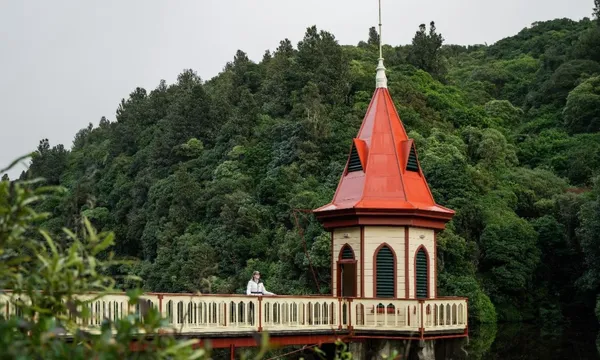
Wellington's wildlife draw is Zealandia, a fenced valley sanctuary fifteen minutes from the city where predator control has let native birds return in numbers rarely seen this close to a capital, alongside a seal colony out along the south coast. Both experiences work because of deliberate conservation projects rather than pure chance: a predator-proof fence in one case, and a farmland reintroduction programme in the other.
A predator-free valley
Zealandia's fence keeps out the introduced mammals, rats, stoats and possums among them, that are responsible for most of the decline in New Zealand's native bird populations elsewhere in the country. Inside that fence, species that have vanished from most of the mainland have been reintroduced and left to breed undisturbed, which is why a two-hour walk here turns up more native birdlife than a much longer walk almost anywhere else near a New Zealand city.
Zealandia by day
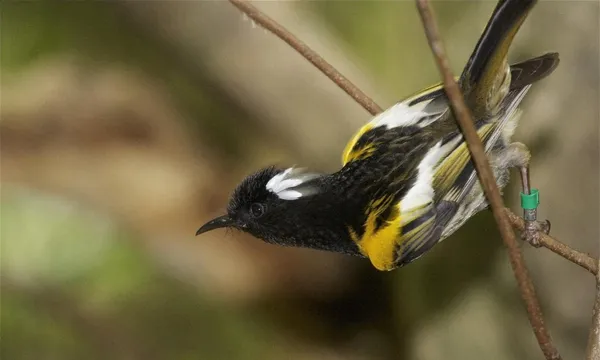
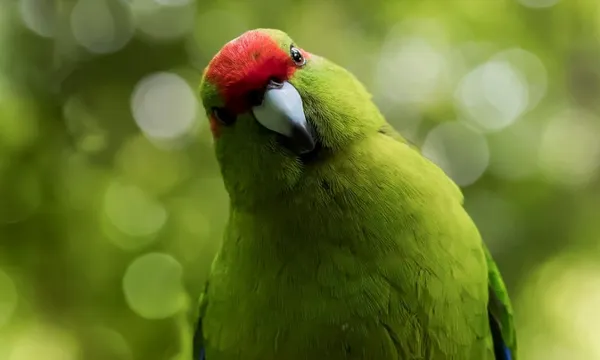
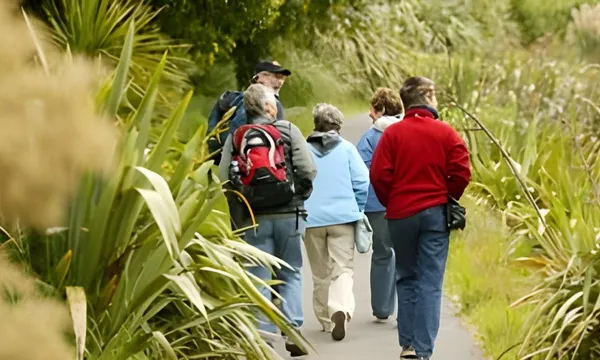
The day tour runs two hours in small groups of up to ten, with a guide pointing out kākā, tuatara, tīeke and kererū along the walking tracks and explaining the sanctuary's ecological history along the way. Departures run through the morning and into early afternoon, with an on-site cafe available for refreshments afterwards.
Zealandia by night
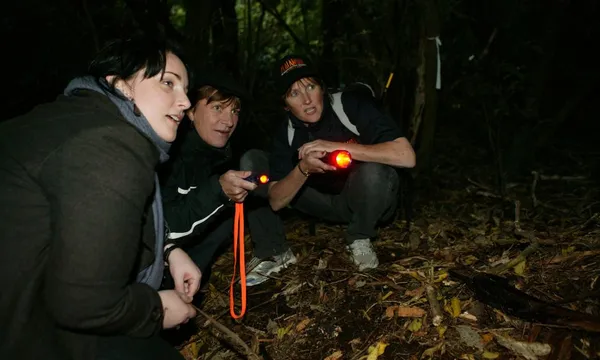
The torchlit night tour departs half an hour before sunset and runs about three hours in small groups of up to twelve, looking for the sanctuary's nocturnal residents, including glowworms, tuatara, wētā, ruru and, with some luck, the little spotted kiwi, which are frequently active in the valley after dark. Day admission is included, so the same visit can cover both a daytime walk and the after-dark tour without paying twice.
Seal coast safari
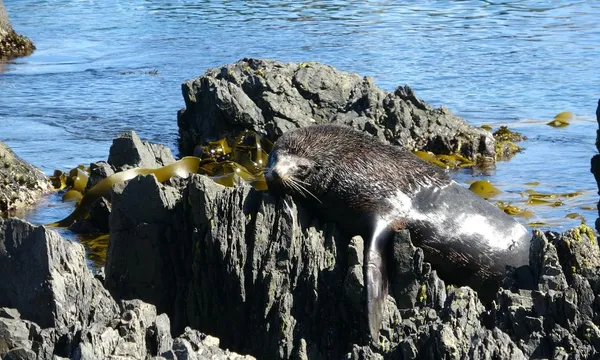
The seal coast safari takes a small group out in a luxury 4WD along the south coast to a resident colony of New Zealand fur seals, travelling through private farmland and native bush with panoramic views over Cook Strait and the Kaikoura Ranges. Kākā and tūī are spotted through the bush sections, and the tour includes a look at the Capital Kiwi Project's reintroduction work, part of a wider effort to bring kiwi back to the hills around Wellington. Seal spotting is described as close to guaranteed year-round, with the largest numbers on the coast through winter, from May to August. Light refreshments are provided on-site, and the guided portion of the roughly four-hour outing runs about three and a half hours.
What to bring
Comfortable walking shoes and a layer for changeable weather are worth packing for either Zealandia tour, since the tracks run through forest where conditions can shift quickly, and the night tour in particular benefits from warm clothing given how much time is spent standing still listening and looking rather than walking briskly. The seal coast safari runs in an enclosed 4WD vehicle, so it needs less specific preparation, though a camera is worth having ready for the coastal views as much as the wildlife itself.
Choosing a Wellington wildlife experience
Zealandia's day and night tours show genuinely different sides of the same sanctuary, with day species like kākā and kererū active in daylight and nocturnal residents such as glowworms and kiwi only visible after dark, so doing both on separate visits gives the fullest picture. The seal coast safari suits travellers who'd rather cover ground by vehicle and see marine wildlife alongside native birds, and it pairs well with either Zealandia tour on a longer Wellington stay rather than being an alternative to it.
Frequently Asked Questions
What wildlife can you see in Wellington?
Zealandia is the main draw, home to kākā, tuatara, tīeke and kererū by day and glowworms, wētā and potentially the little spotted kiwi by torchlight, while the seal coast safari adds a resident colony of New Zealand fur seals along the south coast.
Is Zealandia worth doing both by day and by night?
The day and night tours show different sides of the sanctuary, with day species like kākā and kererū active during daylight and nocturnal species such as glowworms and kiwi only visible after dark, so both together give a fuller picture.
When is the best time to see seals on the Wellington seal coast safari?
Seal numbers are highest through winter, from May to August, though sightings happen year-round along the south coast colony.
How far is Zealandia from central Wellington?
Zealandia sits about fifteen minutes from the city centre, making both the day and night tours easy to fit around other Wellington activities.
Why does Zealandia have so many native birds compared to other parts of Wellington?
Zealandia is enclosed by a predator-proof fence that keeps out the introduced mammals responsible for most native bird decline elsewhere in New Zealand, which has allowed reintroduced species to breed undisturbed inside the sanctuary.